
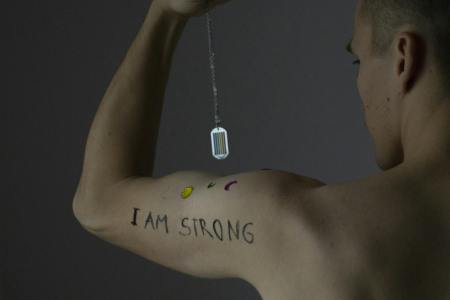
CTA believes it is important to track the ways in which unhelpful ideological stances are being insinuated into the culture particularly into schools. Therefore, we would like to draw our viewers’ attention to a recently published report for The Family Education Trust, Lottie Moore explores the problems that arise from teaching boys and young men that they are ‘inherently toxic’. In particular, the report examines troubling findings from a Freedom of Information Survey which reveals the controversial ways in which masculinity is being framed in some schools in England.
The report explains that the term ‘toxic masculinity’ is hard to define. It refers to ‘the dominance, aggression and emotional repression of men as innate behaviours associated with the male sex’. However, ‘toxic masculinity’ also tends to be used as a ‘catch all phrase for just about anything and everything negative associated with men’. If masculinity is toxic, then ‘all boys and men must be too’.
While acknowledging that the #Me Too movement played a crucial role in exposing the serious sexual abuse of women, the report argues that it also led to the term ‘toxic masculinity’ gaining traction in public discourse. This, the report claims, enabled misandry to ‘creep into the mainstream’, with men being blamed for a wide range of ills in society (see this article on misandry in a therapy setting, and Dr John Barry’s interview about psychology’s problem with men).
The report points out the dominance of ‘feminist rhetoric’ and the lack of discussion about inequalities experienced by males. For example, boys are more likely to have identified special educational needs than girls. The role of biology is also highlighted as a neglected area of discussion. As the report explains: ‘telling prepubescent boys experiencing the array of natural emotions that accompany puberty that there is something wrong with who they are growing into is counterproductive.’
With narratives like ‘toxic masculinity’, men labelled as ‘oppressors’ of women and girls, and rising rates of misandry, the report claims it is not surprising that some young men are turning to role models such as Andrew Tate. This is of concern as Tate expresses ‘extreme ideas about women, feminism and gender roles’.
The report also explores the problem of fatherlessness amongst young men and boys and their mental health challenges. Suicide is cited as more prevalent in men than women and ‘remains the biggest killer of men under 50’. However, men are less likely than women to seek help from a therapist. As the report points out, this is not a deficit on men’s part, but a reflection of men expressing their psychological needs differently to women.
Finally, the report examines the results of a Freedom of Information survey sent to 300 schools in England in July 2024 to assess the prevalence of teaching ‘toxic masculinity’. Its findings highlight the problems associated with Relationship, Sex and Health Education and the use of third-party providers to deliver this education. Amongst the findings from the survey, are some worrying case studies and themes. For example, in the resources provided by schools, several versions of the ‘pyramid of sexual violence’ were presented which suggest that a man displaying ‘traditional gender roles within the family’ might go on to commit rape.
The report makes several recommendations, including one to Government that it should reinforce schools’ obligations to publish RSHE materials online, allow parents to view these and have a route by which they can complain. A further recommendation is that no state funded school should use third-party providers that teach the concept of toxic masculinity.
While overall the report does not deny the existence of male violence, it points out that “demonising all men and telling boys they are born bad, pursuing a DEI agenda, whilst ignoring or minimising the welfare of ‘white working-class boys’ is not going to help.” It quotes Dr John Barry who states “It is not masculinity that is the problem as much as our attitudes to it. It cannot be good science to pathologise half of the human race”.



Leave a Reply