
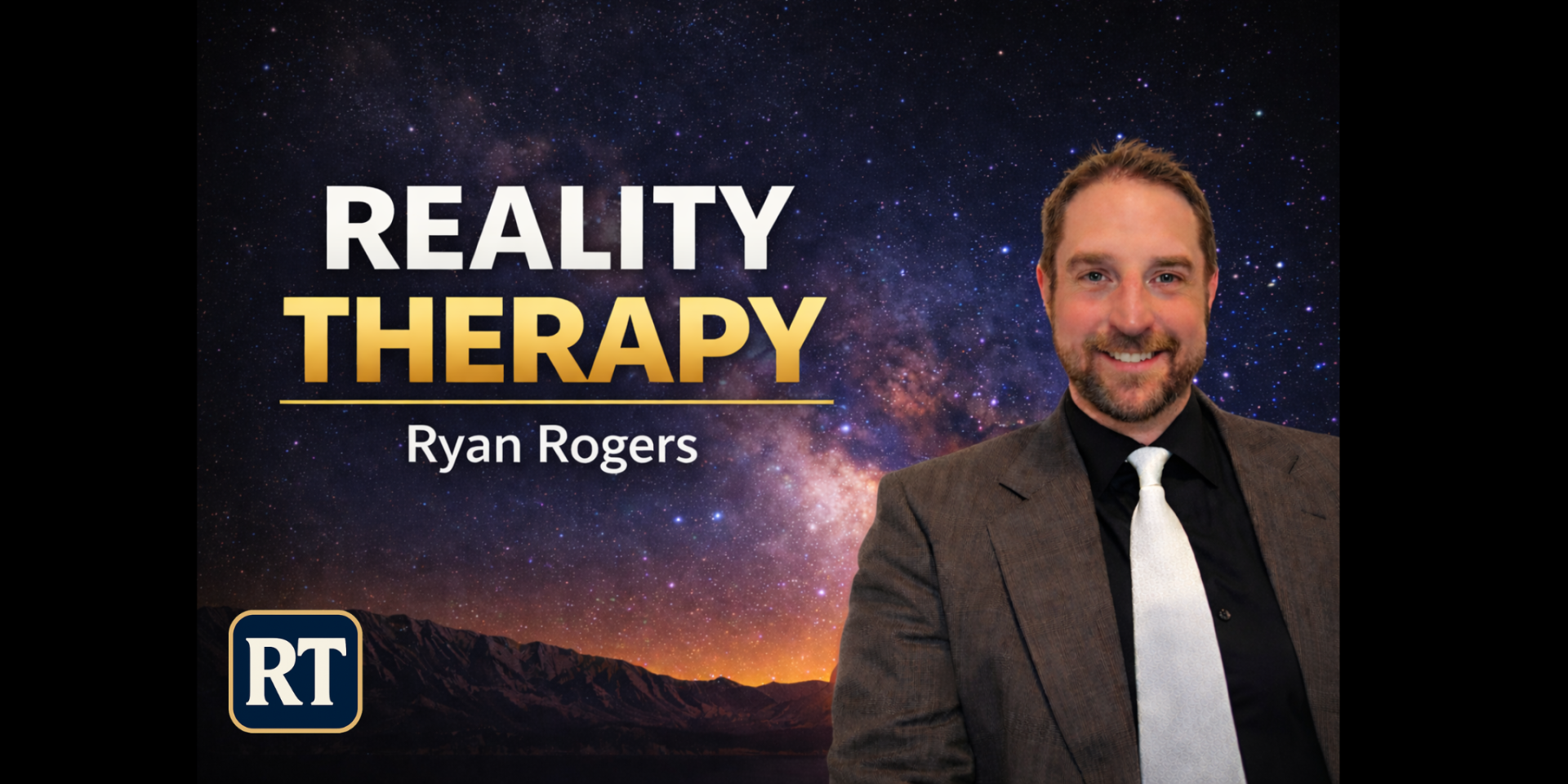


Ryan Rogers
Ryan Rogers is a clinical mental health counselor with a focus on the intersections of psychology, therapeutic practice, and contemporary cultural influences. He has also authored The Woke Mind: The Twisted Psychology of the Social Justice Movement, a book that critically examines the influence of social justice ideology on psychology and related fields.
He is the host of “Reality Therapy,” a podcast that explores how “reality itself can be therapeutic,” featuring discussions on therapy, psychological practice, social justice influence in mental health, and cultural issues. The show is created and led by Rogers, with a focus on the therapy profession and related debates.
Leslie Elliott-Boyce
Leslie Elliott-Boyce is an independent coach and consultant based in Washington State focused on counseling, psychology, and cultural issues. She originally pursued a master’s in clinical mental health counseling, but her graduate work ended after she publicly criticized ideological bias in counselor education. After that experience she shifted into coaching, public speaking, and facilitating peer support around issues in mental health education and practice.
Leslie is the host and creator of The Radical Center podcast, a show that examines ideological bias in counselor education and broader cultural debates. The podcast has hundreds of episodes and aims to open dialogue on topics like education, cultural conflict, and groupthink.
Michael Dewan-Herrick
Michael Dewan-Herrick is a psychotherapist and educator with over four decades of clinical practice. Based in London, he works with individuals seeking clarity of purpose, alignment of values, and greater coherence in how they live and think.
Through his platform Attention Bazaar, Michael explores the modern marketplace of ideas — where information competes relentlessly for attention and allegiance. His work is not driven by ideology, but by discernment. He examines what strengthens character and psychological stability, what distorts it, and how individuals can retain what is constructive while discarding what is corrosive.
Drawing on psychology, philosophy, and cultural analysis, Michael addresses questions of meaning, responsibility, and moral development. He challenges reflexive group thinking on all sides and advocates for thoughtful integration rather than reaction. At its core, Attention Bazaar is an invitation to think carefully, live deliberately, and resist the pressures of intellectual fashion.