
As 2025 comes to a close, what do we at CTA wish for our professions in the coming year? Overall, we wish for a course correction – the therapy field needs to recommit to its proper function of healing the individual. There are some hopeful signs that pressure in being brought to bear on our professional bodies (the APA is under investigation and senior whistle blowers have exposed the bias in the UK bodies) but these are just the beginnings.
One particularly important domain is the production of knowledge in the therapy disciplines. Unfortunately, activist academics and gatekeepers have been able to steer the research agenda in a politicised direction. At a time of rapid societal and technological change which affects everyone, therapy research has become consumed with questions of group identity and controlled by institutional DEI policies. A recent research study carried out the University of Sussex is a tantalising example of the contribution that therapy academics could make if they were freed up from ideological constraints.
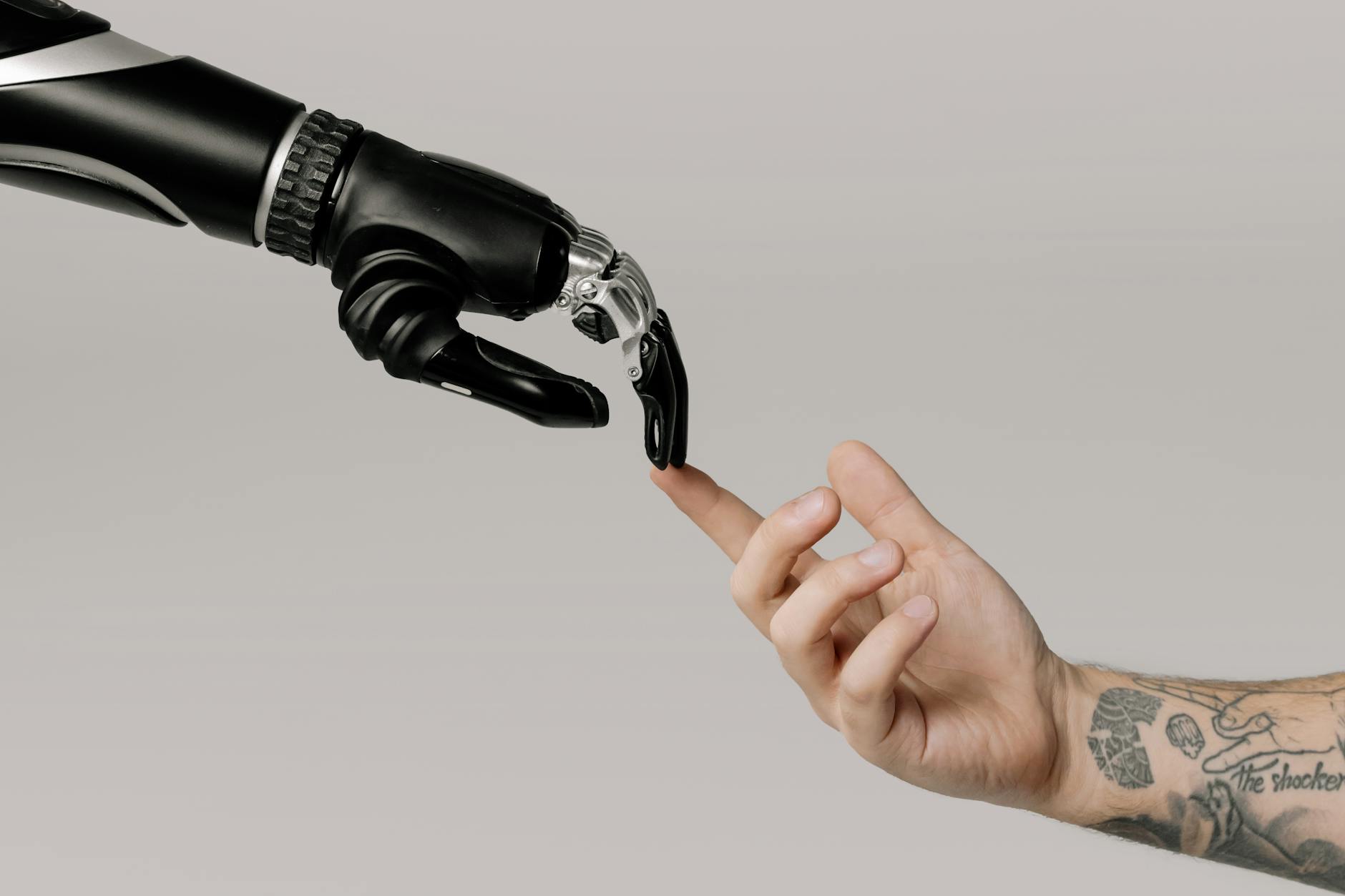
The Sussex University study used a large participant cohort to investigate a highly topical subject – the use of an AI therapy bot within the NHS. The aim of the research was to investigate the relational processes involved in patients interacting with the therapy bot. The researchers deploy the new conceptual term of ‘synthetic intimacy’ to distinguish between this type of ongoing interaction between human and machine and the therapeutic relationship between client and practitioner. One particular finding should raise alarm bells for therapy practitioners: participants in the study reported a trusting relationship with the therapy bot happened much earlier on than would be predicted between a client and a human therapist. The implications are chilling and wide-ranging. We urge readers to look at the original paper which is open access.
The point we are making here is that attempting to understand what is happening in these new encounters between AI and humans should be the focus of major research programmes in therapy. The findings from the research paper highlighted here are just the beginning. We need intensive further investigation in the form of follow-up large-scale (and especially longitudinal) studies. This could be a golden age of research when the therapy disciplines could build on a deep knowledge of relational processes and make a significant contribution to our knowledge about the impact of new technologies. Instead, researchers are generating hundreds of small scale studies with little or no relevance to advancing clinical practice and many of these appear to be characterised by an uncritical acceptance of dubious ideologically-informed ideas (see a recent post on the exponential increase in ‘woke’ concepts in the allied field of medical research).
The politicised agenda of our professions is profoundly misguided. Therapists are not supposed to change society (as if this were even possible): society is already changing rapidly and unpredictably. Our job is to promote human flourishing, and one of the tasks is to help individuals manage and make sense of a rapidly transforming world. Let’s hope that 2026 is the year that the therapy professions come to their senses!




Leave a Reply